


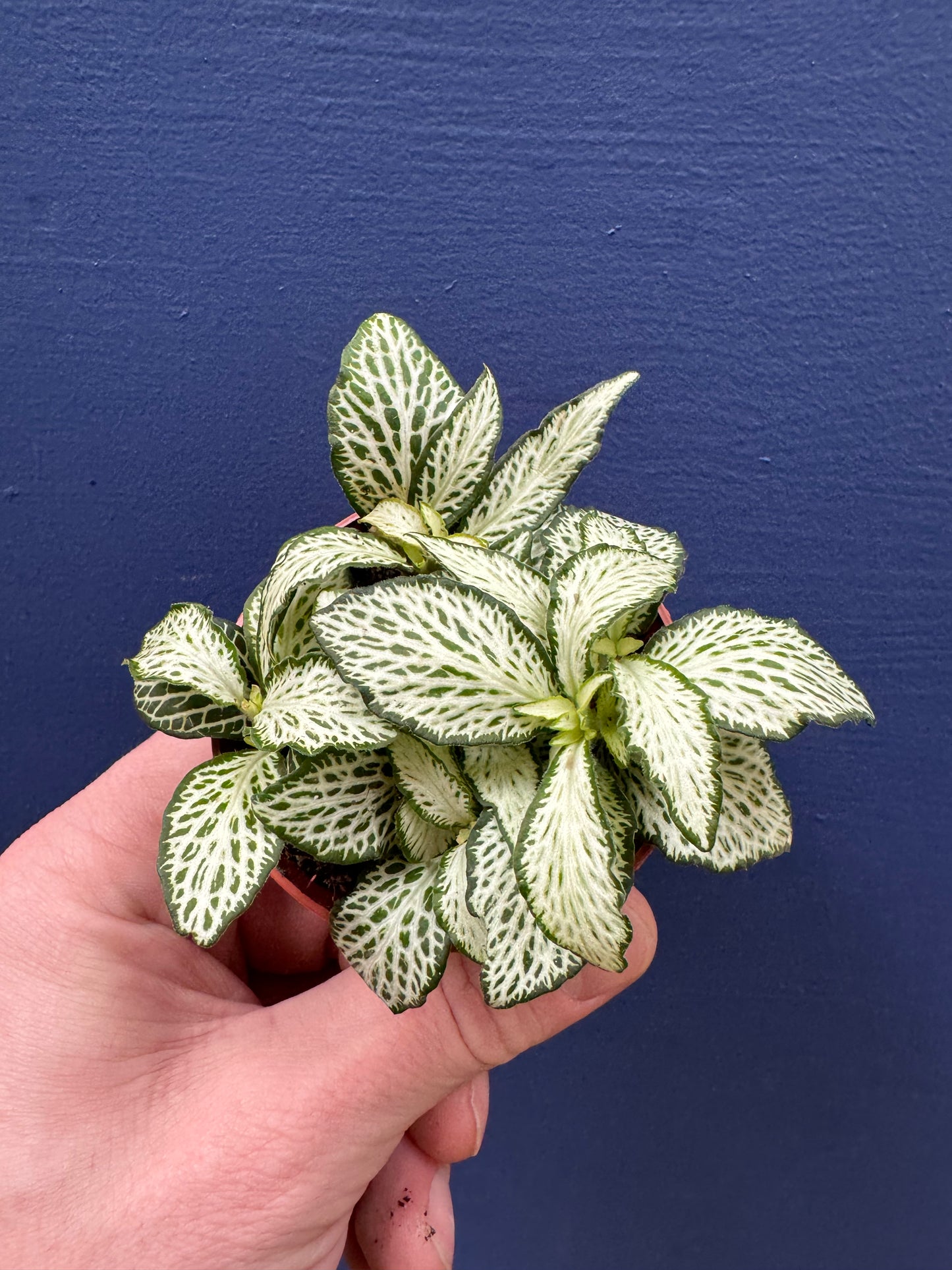
Fittonia Care Guide
What Our Customers Say
Trusted by thousands of happy customers
I was looking for a bereavement plant for my cousin all the way from Ohio in the states. Nathan was so helpful and quickly sent me a selection of choices to pick from. The final result was a gorgeous mossaterrium and really cheered her up. When Nathan made the delivery he was invited in to see her other plants and was charming and kind to her. For that I'm very thankful and pleased.
Ordered three different varieties of indoor plants and I must say I am very impressed!! Healthy plants, excellent customer service and great tips for aftercare advice. 5 weeks on and they are all still alive and thriving! I will be returning to purchase more! Thank you
Lovely selection of plants and arrived in amazing condition and well established. Would highly recommend
I ordered two Bird of Paradise plants as a Christmas present to my mum. These plants are in such good quality and are a welcomed addition to our homes. They help to bridge the gap between the UK and California, where my brother now lives, and for that I am grateful
Amazing plant quality, my wife is plant crazy and absolutely loved the plants, especially the Shirmplicity tank. Would 100% recommend and will be buying again soon.
what a lovely guy, I ordered an albo monstera and it didn't fail. lovely communication and when I asked if he had something, which he didn't have in stock, he supplied me with cuttings for free along with a pathos cutting to help it along and some rooting powder and a pipette. will deffo be ordering again thank you very much xx
My new favourite shop in Congleton - such lovely plants (and other items) - I’ve bought 2 plants now and both are happy and healthy and make the rooms feel calming. Nathan is so friendly, helpful and knowledgeable, tell him where the plant is to live and he’ll show you the best plants for that room or area! 10/10
Acquired myself a stunning Vulcan palm from him, very helpful and reliable, beautiful plants as well. Definitely would get more from him for sure!
My first visit to OhSoot plants was to pick up a plant I won but It definitely won't be my only visit. If you are looking to purchase a plant then pay them a visit. Nath is a lovely guy who is more than helpful
Lovely shop with a great selection of healthy plants, including rare varieties. Everything is well cared for and the owner is so friendly, knowledgeable and happy to give advice. I walked in for one plant and left with three! A must visit if you're into plants.
Attended a private wreath making with a group of friends! The best one I’ve been to! Nathan was the perfect host, providing knowledge, nibbles and huge amounts of foliage and decorations for the wreath’s. His cosy shop was the perfect place to make us feel festive! The most wonderful evening!
My husband and I stumbled upon this gorgeous shop after attending a wedding in the area. Nathan was so lovely and explained how we would care for our new plant baby. He was very knowledgable and even recommended some products to use. It’s clear to see how passionate he is about plants and that really is displayed in how beautiful the shop is. Safe to say our plant is thriving and we really wish we didn’t live an hour away.
I've had multiple plants from Oh Shoot! Plants plant quality and selection is incredible! Advice/recommendations and after sales support is second to none. Very pleased with this business and will continue to be a supportive customer.
Ordered a bird of paradise via Facebook from Nath and wasn't disappointed at all! Communication was absolutely perfect from the get go and Nath even kindly looked after it for me while I dealt with a family loss. Absolutely couldn't recommend highly enough, amazing quality plant, amazing seller and will definitely be back x
I was looking for a bereavement plant for my cousin all the way from Ohio in the states. Nathan was so helpful and quickly sent me a selection of choices to pick from. The final result was a gorgeous mossaterrium and really cheered her up. When Nathan made the delivery he was invited in to see her other plants and was charming and kind to her. For that I'm very thankful and pleased.
Ordered three different varieties of indoor plants and I must say I am very impressed!! Healthy plants, excellent customer service and great tips for aftercare advice. 5 weeks on and they are all still alive and thriving! I will be returning to purchase more! Thank you
Lovely selection of plants and arrived in amazing condition and well established. Would highly recommend
I ordered two Bird of Paradise plants as a Christmas present to my mum. These plants are in such good quality and are a welcomed addition to our homes. They help to bridge the gap between the UK and California, where my brother now lives, and for that I am grateful
Amazing plant quality, my wife is plant crazy and absolutely loved the plants, especially the Shirmplicity tank. Would 100% recommend and will be buying again soon.
what a lovely guy, I ordered an albo monstera and it didn't fail. lovely communication and when I asked if he had something, which he didn't have in stock, he supplied me with cuttings for free along with a pathos cutting to help it along and some rooting powder and a pipette. will deffo be ordering again thank you very much xx
My new favourite shop in Congleton - such lovely plants (and other items) - I’ve bought 2 plants now and both are happy and healthy and make the rooms feel calming. Nathan is so friendly, helpful and knowledgeable, tell him where the plant is to live and he’ll show you the best plants for that room or area! 10/10
Acquired myself a stunning Vulcan palm from him, very helpful and reliable, beautiful plants as well. Definitely would get more from him for sure!
My first visit to OhSoot plants was to pick up a plant I won but It definitely won't be my only visit. If you are looking to purchase a plant then pay them a visit. Nath is a lovely guy who is more than helpful
Lovely shop with a great selection of healthy plants, including rare varieties. Everything is well cared for and the owner is so friendly, knowledgeable and happy to give advice. I walked in for one plant and left with three! A must visit if you're into plants.
Attended a private wreath making with a group of friends! The best one I’ve been to! Nathan was the perfect host, providing knowledge, nibbles and huge amounts of foliage and decorations for the wreath’s. His cosy shop was the perfect place to make us feel festive! The most wonderful evening!
My husband and I stumbled upon this gorgeous shop after attending a wedding in the area. Nathan was so lovely and explained how we would care for our new plant baby. He was very knowledgable and even recommended some products to use. It’s clear to see how passionate he is about plants and that really is displayed in how beautiful the shop is. Safe to say our plant is thriving and we really wish we didn’t live an hour away.
I've had multiple plants from Oh Shoot! Plants plant quality and selection is incredible! Advice/recommendations and after sales support is second to none. Very pleased with this business and will continue to be a supportive customer.
Ordered a bird of paradise via Facebook from Nath and wasn't disappointed at all! Communication was absolutely perfect from the get go and Nath even kindly looked after it for me while I dealt with a family loss. Absolutely couldn't recommend highly enough, amazing quality plant, amazing seller and will definitely be back x